
Ayurveda
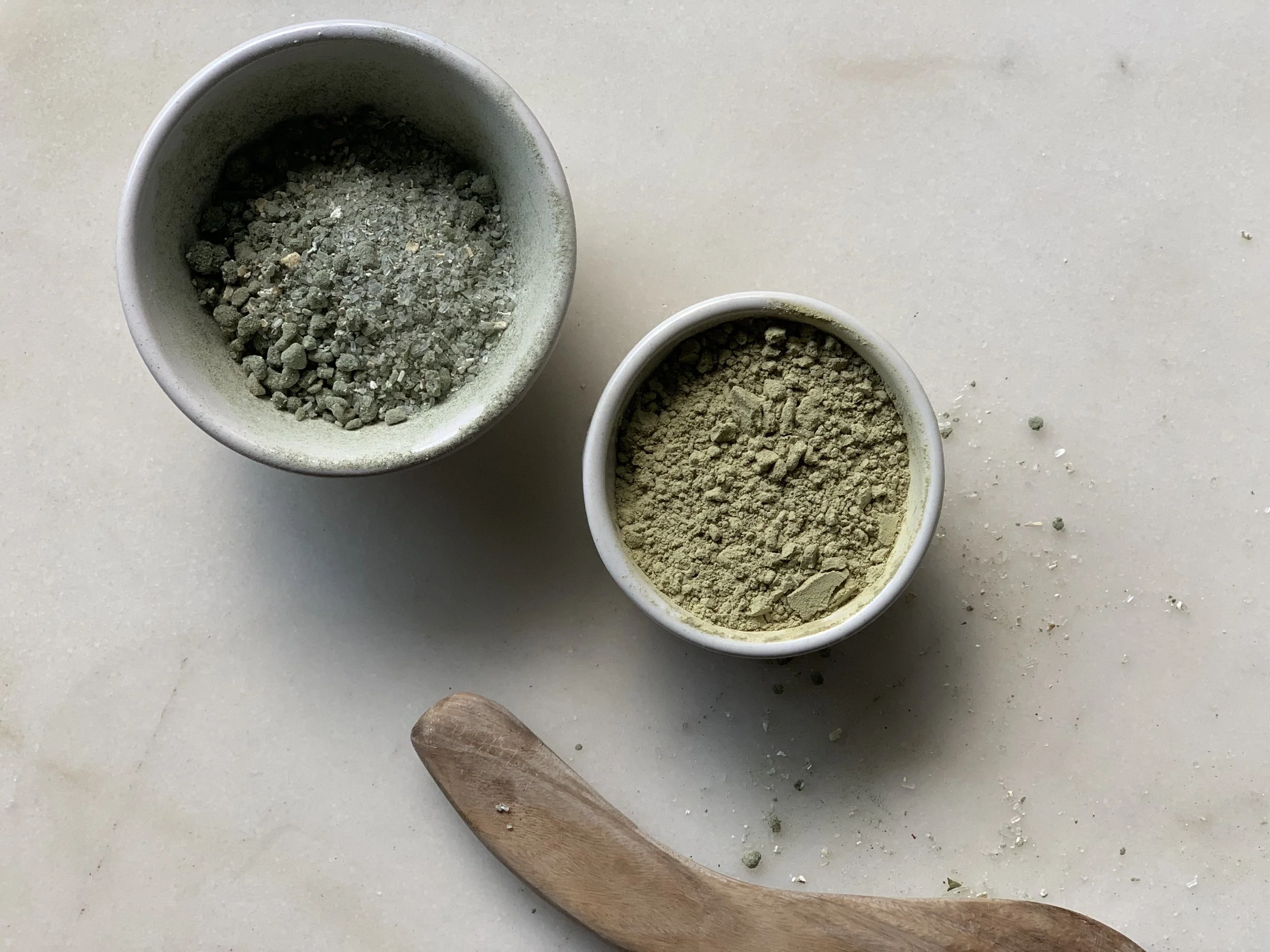
Returning to Balance in a Disconnected World
PART I — What Ayurveda Really Is
Ayurveda is often translated as “The Science of Life,” but it is far more than a wellness trend or healing modality. Ayurveda is a way of living in relationship with nature. It teaches us how to prevent disease, cultivate balance, and care for the body, mind, and spirit as one interconnected system.
Originating in India more than 5,000 years ago, Ayurveda remains deeply relevant today because the human body has not changed — even if modern life has.
And perhaps we need Ayurveda now more than ever.
We are more connected to technology, information, and stimulation than any generation before us, yet simultaneously more disconnected from our bodies, intuition, nervous systems, circadian rhythms, and the natural world.
Ayurveda reminds us that we are not separate from nature.
The same five elements that exist in the universe — Earth, Water, Fire, Air, and Ether — also exist within us.
What happens in nature happens within the body:
seasonal changes
climate shifts
cycles of light and darkness
emotional tides
overstimulation
stillness
heat
dryness
nourishment
The body is constantly responding to the environment around it.
Ayurveda teaches us how to listen.
PART II — The Doshas & Understanding Your Nature
According to Ayurveda, the five elements combine into three governing energies called doshas: Vata, Pitta, and Kapha.
Each person contains all three doshas in a unique proportion established at conception. This energetic blueprint is known as your constitution, or prakruti.
The doshas influence:
physical tendencies
digestion
nervous system patterns
emotional responses
personality traits
energy levels
sleep
stress response
intuition
creativity
VATA — Air + Ether
Vata governs movement, breath, creativity, communication, and the nervous system.
Balanced Vata feels:
creative
inspired
intuitive
flexible
expansive
Out of balance, Vata may become:
anxious
scattered
overstimulated
fearful
exhausted
Modern life tends to aggravate Vata constantly:
excessive screen time
travel
overstimulation
multitasking
lack of routine
chronic stress
Vata requires grounding, warmth, nourishment, and rest.
PITTA — Fire + Water
Pitta governs digestion, metabolism, ambition, focus, perception, and transformation.
Balanced Pitta feels:
intelligent
driven
passionate
confident
purposeful
Out of balance, Pitta may become:
irritable
controlling
inflamed
reactive
burned out
Pitta types often push themselves too hard.
They benefit from slowing down, cooling practices, nature, softness, and releasing perfectionism.
KAPHA — Earth + Water
Kapha governs structure, lubrication, immunity, endurance, stability, and emotional steadiness.
Balanced Kapha feels:
grounded
compassionate
calm
loyal
nurturing
Out of balance, Kapha may become:
stagnant
lethargic
emotionally heavy
resistant to change
overly attached
Kapha benefits from movement, stimulation, inspiration, and circulation.
PART III — Ayurveda as Daily Ritual
One of the most beautiful aspects of Ayurveda is that healing is not separated from daily life.
Healing lives in:
how we wake
how we eat
how we breathe
how we sleep
how we move
how we rest
how we care for the nervous system
Ayurveda teaches prevention rather than reaction.
It asks:
What if wellness was cultivated slowly, every day, through rhythm and awareness?
Simple practices become profound medicine:
oiling the body
drinking warm water
eating seasonally
breathing deeply
resting before exhaustion
observing nature
reducing overstimulation
using plants intentionally
honoring cycles
This is one of the reasons I feel so connected to botanical medicine and aromatherapy. Essential oils work subtly with the body’s intelligence. Certain plants can ground Vata, cool Pitta, or awaken stagnant Kapha. Plants become allies in restoring elemental balance.
Ayurveda reminds us that healing is not about becoming someone else.
It is about returning to our natural state.
Balance is not perfection.
Balance is remembering how to live in relationship with ourselves again.